The Future of Stone Processing: Innovations and Trends


Introduction to Stone Processing
The stone processing industry has seen remarkable transformations over the years. With the advent of new technologies, the way we extract, cut, and polish stones has evolved. These innovations not only enhance efficiency but also ensure sustainability, catering to a world increasingly aware of its environmental footprint.
In this article, we'll explore the latest innovations and trends shaping the future of stone processing. From automated machinery to eco-friendly practices, the landscape is rapidly changing.
Automation and Robotics
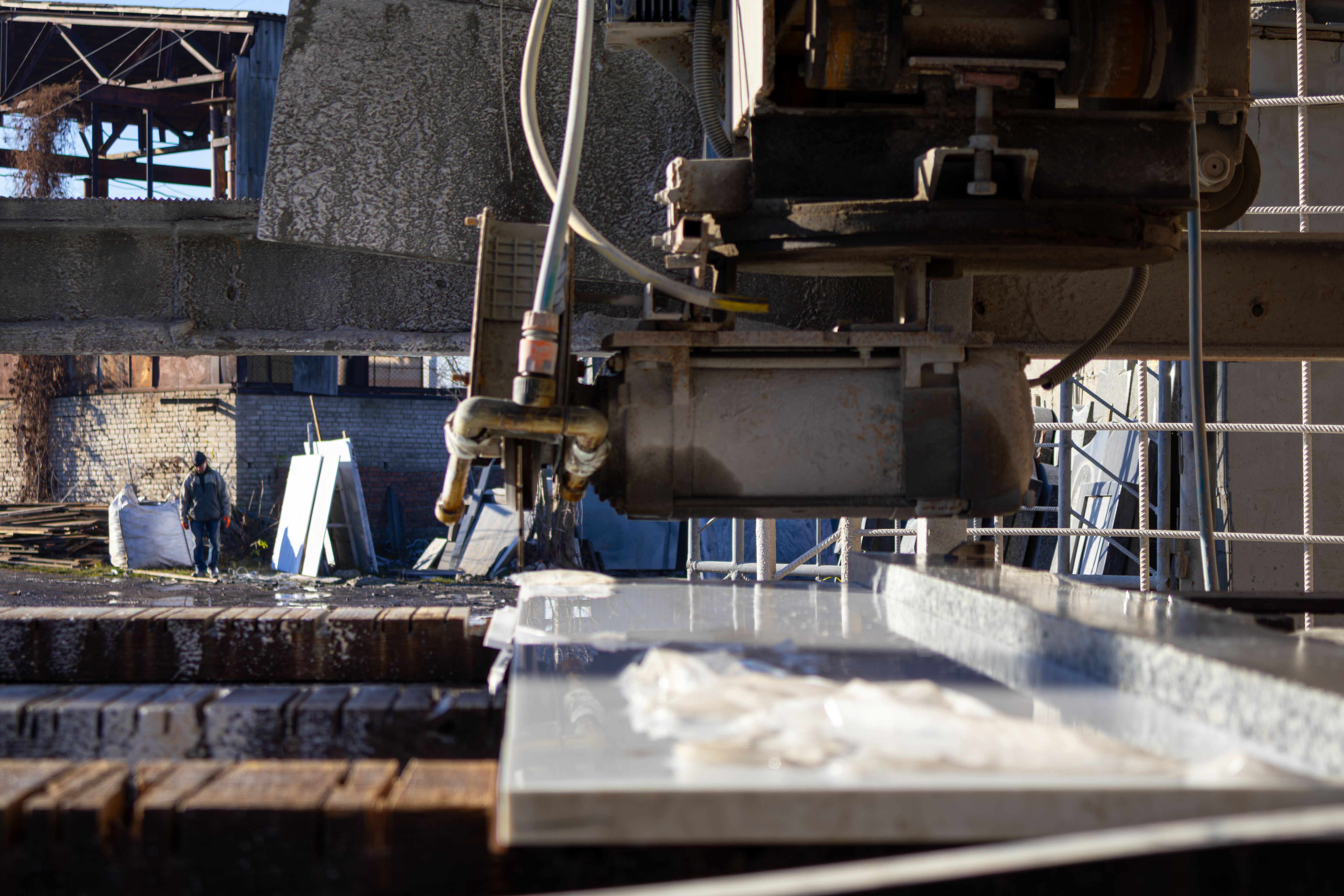
One of the most significant advancements in stone processing is the integration of automation and robotics. Modern stone processing plants are equipped with automated machines that offer precision and speed unmatched by traditional methods. Robots are now capable of performing intricate cuts and polishing tasks, reducing human error and increasing production rates.
These technologies are not only about efficiency but also safety. By automating hazardous tasks, companies can protect their workforce from potential accidents and injuries.
Computer-Aided Design (CAD) and Manufacturing (CAM)
CAD and CAM technologies have revolutionized the design and production phases of stone processing. With CAD, designers can create detailed 3D models of the final product, ensuring every cut is meticulously planned. CAM software then translates these designs into machine instructions, ensuring precision in execution.

Eco-Friendly Innovations
As sustainability becomes a priority, the stone processing industry is embracing eco-friendly practices. Water recycling systems, for instance, are now standard in many facilities, minimizing water wastage during the cutting and polishing processes. Additionally, dust collection systems help reduce air pollution, ensuring cleaner and safer work environments.
Moreover, some companies are exploring the use of biodegradable lubricants and coolants, further reducing the environmental impact of stone processing.
Recycling and Waste Management
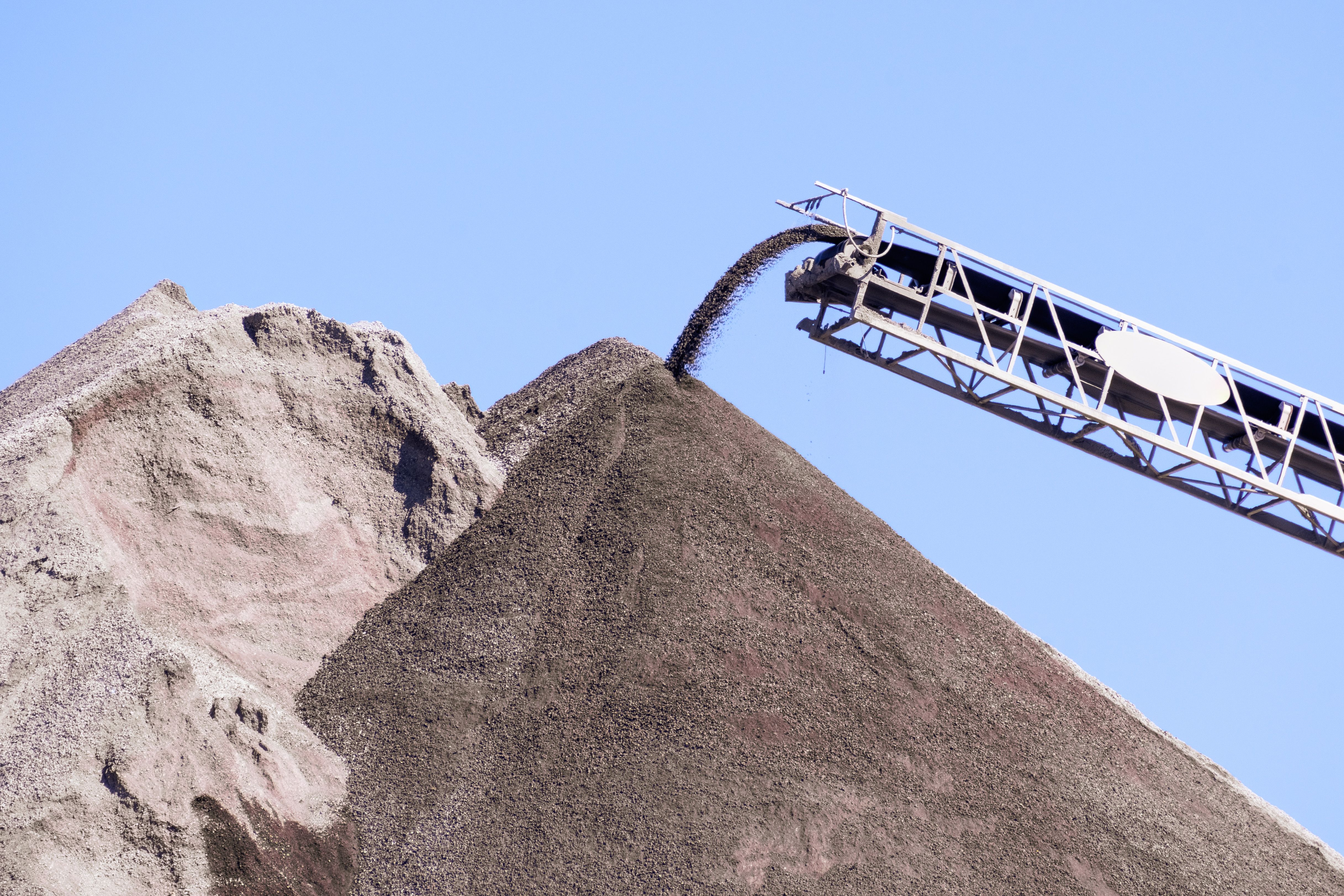
Stone processing generates a significant amount of waste. However, innovative waste management solutions are turning this challenge into an opportunity. Many facilities now recycle stone scraps into aggregates for construction or landscaping, ensuring nothing goes to waste.
Sustainable Sourcing
The future of stone processing also involves sustainable sourcing. Companies are increasingly mindful of where and how their raw materials are extracted. Ethical sourcing not only supports local communities but also ensures the longevity of natural resources.
By adhering to sustainable practices, businesses can meet regulatory requirements and appeal to environmentally conscious consumers.
Digitalization and Smart Technologies
The digital transformation of the stone processing industry is underway. Smart technologies, including IoT devices, enable real-time monitoring and maintenance of machinery. This ensures optimal performance and reduces downtime, ultimately saving costs.
Furthermore, data analytics provide insights into production processes, helping companies make informed decisions to enhance efficiency and quality.
Conclusion
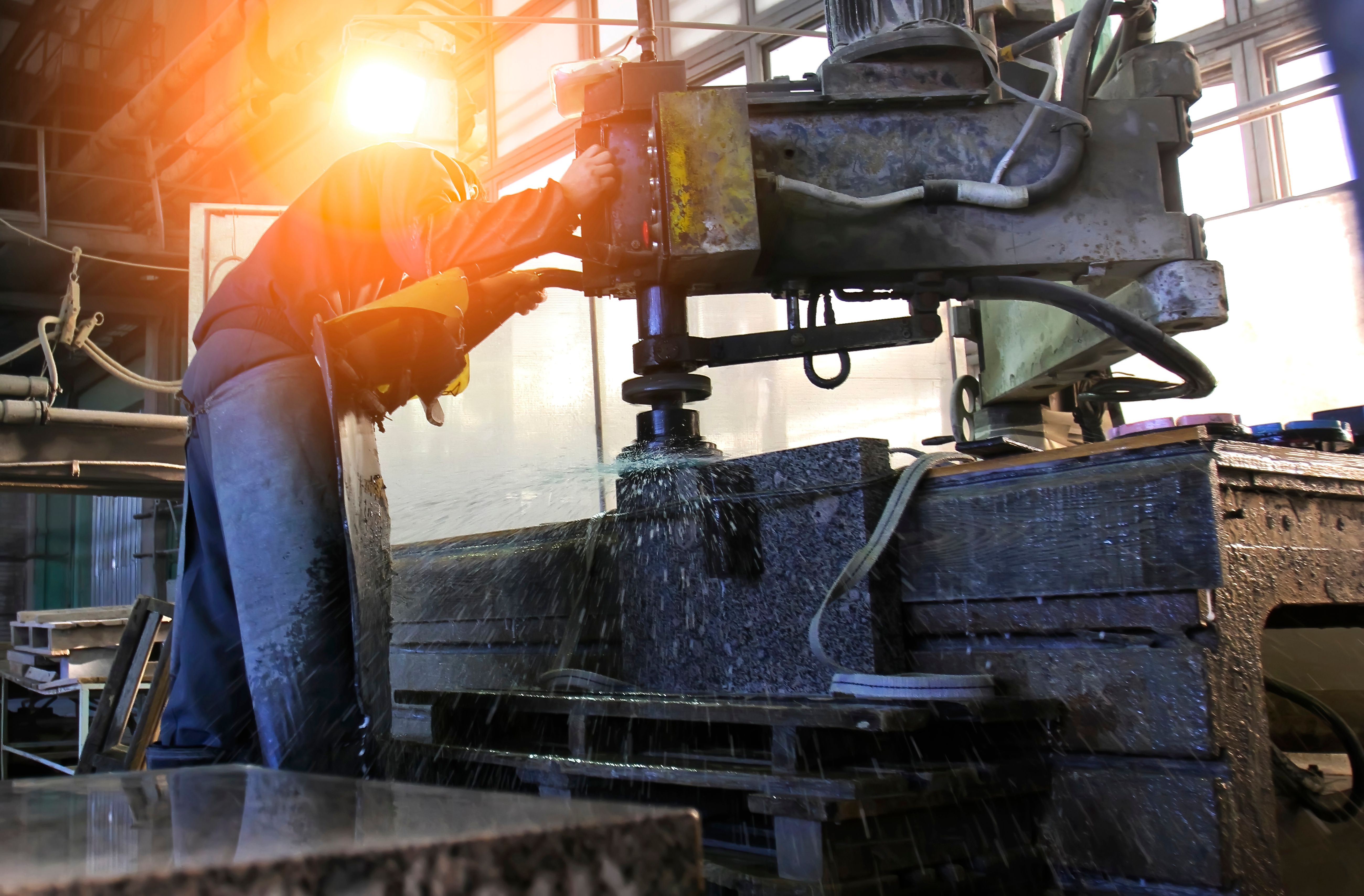
The future of stone processing is bright, driven by technological advancements and a commitment to sustainability. As the industry continues to evolve, businesses that embrace these innovations will lead the way, setting new standards for efficiency, safety, and environmental responsibility.
By staying at the forefront of these trends, the stone processing industry can continue to thrive in a rapidly changing world.