The Environmental Benefits of Choosing Natural Stone for Your Projects


Introduction to Natural Stone
Natural stone has been a favored building material for centuries, celebrated for its durability, beauty, and versatility. But beyond its aesthetic appeal, natural stone offers significant environmental benefits that make it an excellent choice for sustainable building projects.
Choosing natural stone can contribute to eco-friendly construction in various ways. From reducing energy consumption to minimizing waste, the advantages of this material are numerous and noteworthy.
Energy Efficiency and Durability
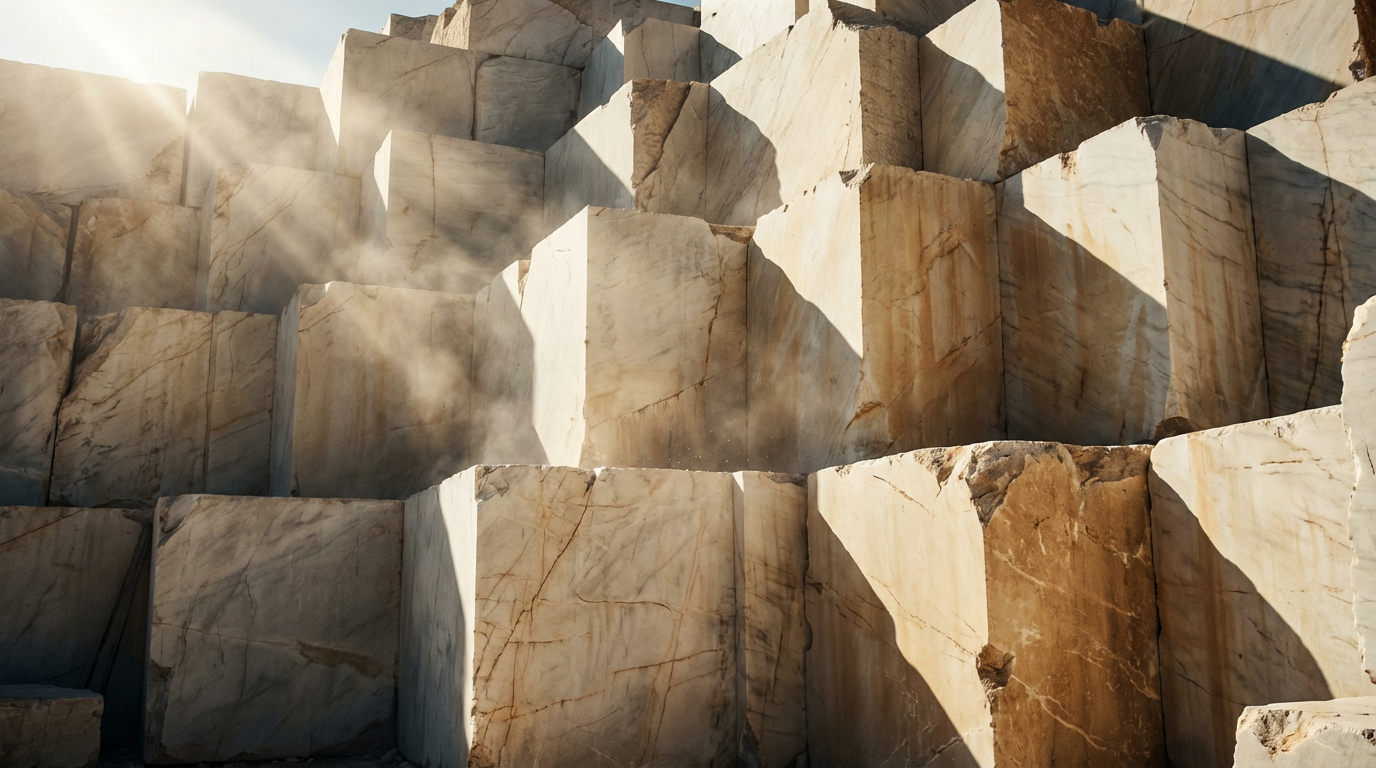
One of the primary environmental benefits of natural stone is its energy efficiency. Unlike synthetic materials that require extensive processing, natural stone is extracted and processed using relatively low energy. This means fewer carbon emissions during its production.
Moreover, natural stone is incredibly durable, often lasting for decades, if not centuries. This longevity translates to reduced need for replacement and repairs, which means less energy and resources consumed over time. In terms of life-cycle costs, natural stone is an economical and eco-friendly option.
Minimal Waste and Resource Management
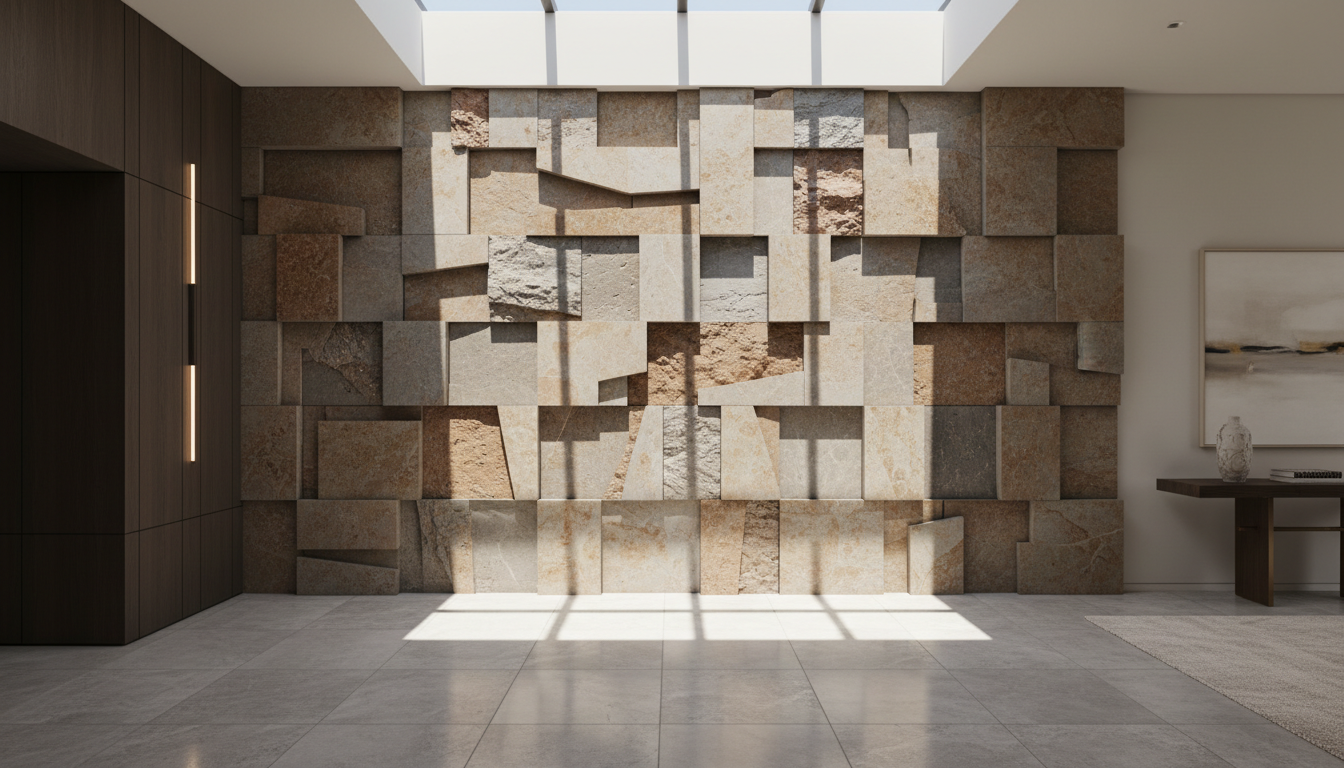
Natural stone's production process is designed to minimize waste. Quarries and processing facilities often use every part of the stone, with leftovers repurposed for other uses, such as aggregate or landscape material.
Additionally, stone quarries are subject to strict environmental regulations that ensure responsible resource management. These regulations help protect ecosystems and ensure that the extraction process does not cause unnecessary environmental harm.
Water Conservation
The production of natural stone requires significantly less water compared to other building materials. This water efficiency is crucial, especially in areas where water conservation is a priority. Reduced water usage further enhances the environmental appeal of natural stone.
Recyclability and Reusability
Another significant environmental benefit of natural stone is its recyclability. Stone can be reused and repurposed in different projects, reducing the need to extract and process new materials. This reusability not only saves natural resources but also reduces waste.
When buildings made of natural stone are demolished, the stone can be reclaimed and used in other construction projects. This recycling capability is a testament to the material's sustainability and long-term value.
Natural Beauty and Health Benefits
Beyond its environmental benefits, natural stone adds a touch of elegance and beauty to any project. Its natural variations in color and texture can create a unique and pleasing aesthetic.
Additionally, natural stone does not emit harmful VOCs (volatile organic compounds), contributing to healthier indoor air quality. This makes it an ideal choice for environmentally conscious builders and homeowners.
Conclusion
In conclusion, choosing natural stone for your projects offers numerous environmental benefits. Its energy efficiency, durability, minimal waste, and recyclability make it a sustainable choice for construction.
By opting for natural stone, you are not only investing in a material that is beautiful and long-lasting but also contributing to a more sustainable building practice. Whether you are planning a new construction project or renovating an existing space, consider the ecological advantages of natural stone.