Expert Insights: Modern vs. Traditional Stone Processing Techniques


Understanding Stone Processing Techniques
Stone processing techniques have evolved dramatically over the years. From traditional methods that have stood the test of time to cutting-edge modern techniques, the industry has seen significant changes. Understanding these differences is crucial for professionals and enthusiasts alike.
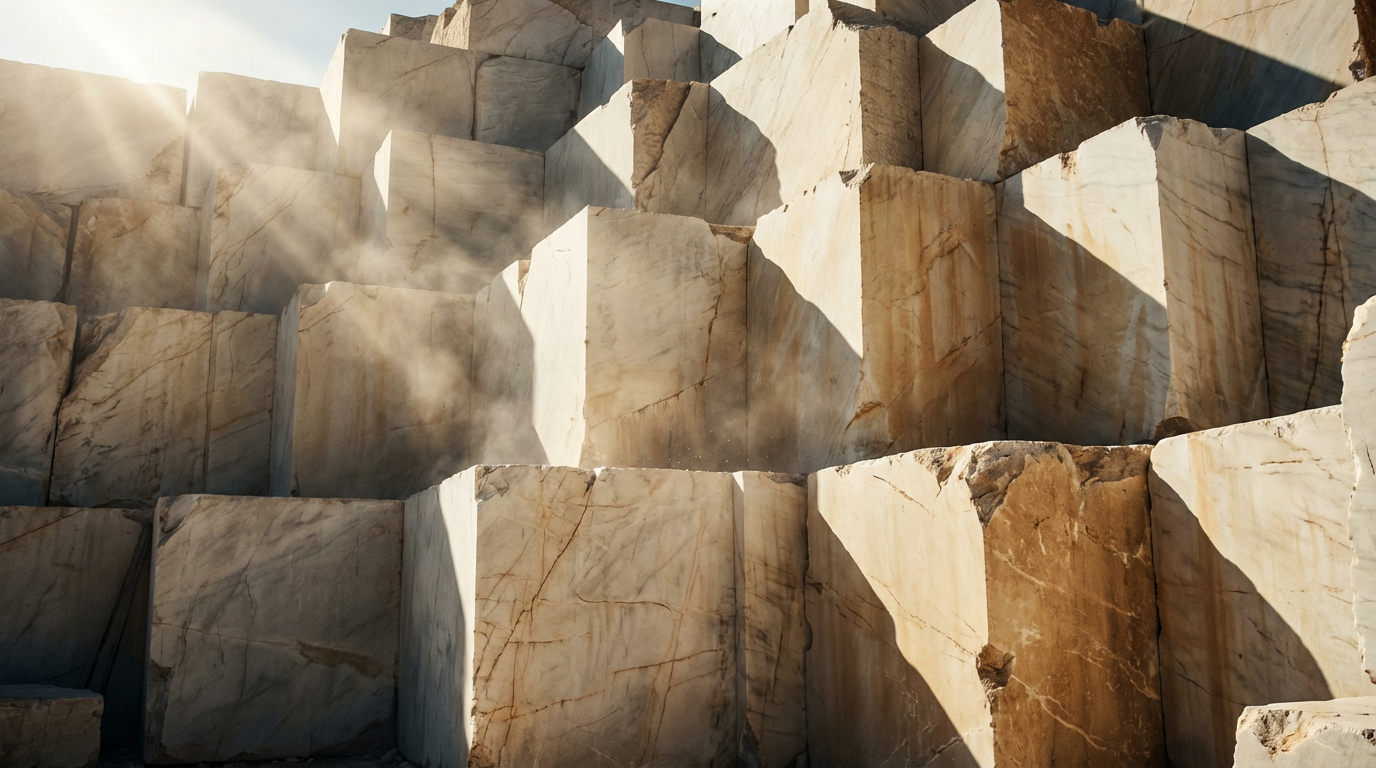
Traditional Stone Processing Techniques
Traditional stone processing methods are often labor-intensive and rely on manual skills. These techniques include hand chiseling, carving, and polishing. The craftsmanship involved in these methods is highly regarded and often results in unique, customized pieces.
One of the main advantages of traditional techniques is the attention to detail. Skilled artisans can produce intricate designs that machines may not easily replicate. However, the downside is the time and labor required, which can make these methods less efficient for large-scale projects.
Modern Stone Processing Techniques
Modern stone processing has been revolutionized by technology. Machines such as CNC routers, water jets, and laser cutters have streamlined the process, increasing efficiency and precision. These tools allow for faster production times and can handle larger volumes without sacrificing quality.

Another advantage of modern techniques is their ability to produce consistent results. Automation ensures uniformity, which is crucial for projects requiring mass production. Additionally, modern methods can often incorporate complex designs that would be challenging to achieve manually.
Comparing Efficiency and Cost
When it comes to efficiency, modern techniques generally outperform traditional methods. The automation and precision offered by modern machinery reduce labor costs and time, providing a more cost-effective solution for large projects.
However, the initial investment in modern machinery can be significant. For smaller projects or those requiring unique artistry, traditional methods might still be the preferred choice. It’s essential to weigh the benefits of both approaches depending on the project’s requirements.
Environmental Considerations
Environmental impact is another factor to consider. Modern techniques often use advanced technology to minimize waste and energy consumption. However, the production and disposal of machinery can have environmental repercussions.
Traditional methods, while often more sustainable in terms of energy use, can still contribute to material waste if not managed properly. Balancing environmental considerations with project needs is crucial for both traditional and modern methods.
Conclusion
Both modern and traditional stone processing techniques have their place in the industry. While modern methods offer efficiency and precision, traditional techniques bring a level of craftsmanship and uniqueness that machines cannot replicate. Understanding the strengths and limitations of each approach allows for more informed decisions, ultimately leading to better project outcomes.