Eco-Friendly Stone Solutions: Sustainable Practices in Marble and Granite Processing


Understanding the Environmental Impact of Stone Processing
Marble and granite have been cherished materials for centuries, renowned for their durability and aesthetic appeal. However, the traditional processing of these stones can have significant environmental impacts. From quarrying to fabrication, every stage of the production process has the potential to affect the environment negatively.
Quarrying, for example, often involves the removal of large areas of natural habitat, which can lead to soil erosion and loss of biodiversity. Furthermore, the energy-intensive nature of stone processing contributes to greenhouse gas emissions.
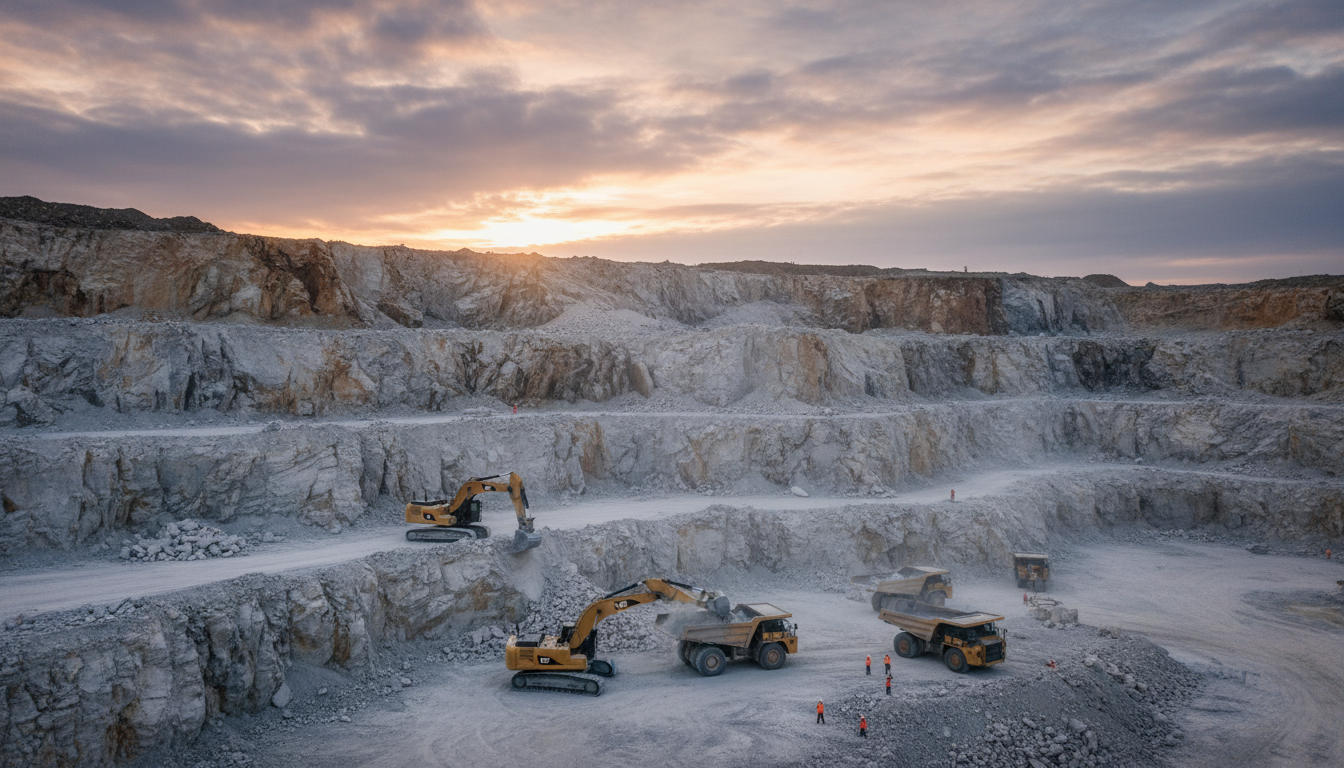
Adopting Sustainable Quarrying Practices
The first step in reducing the environmental impact of marble and granite is adopting sustainable quarrying practices. By using advanced technology, companies can minimize the amount of waste produced and reduce the disturbance to surrounding ecosystems. Techniques such as precision cutting and controlled blasting help in reducing the environmental footprint.
In addition, some companies are now focusing on quarry rehabilitation, where they restore the quarry site after extraction, planting native vegetation, and creating habitats for wildlife. This practice not only helps in conserving biodiversity but also in improving the aesthetic value of the area.
Energy-Efficient Processing Techniques
Processing marble and granite requires significant amounts of energy. To reduce this, companies are investing in energy-efficient machinery and practices. For instance, the use of water recycling systems in cutting and polishing stones can drastically reduce water consumption.
Moreover, implementing solar panels and wind turbines at processing facilities can help in reducing reliance on fossil fuels. These renewable energy sources not only decrease carbon emissions but also lower operational costs in the long run.

Waste Management and Recycling
Waste management is a crucial aspect of sustainable stone processing. The stone industry is increasingly adopting recycling practices to manage waste effectively. By converting stone waste into aggregates or other useful products, companies can significantly reduce landfill contributions.
Furthermore, using crushed stone as a base material for roads or in construction projects is becoming a popular practice. This not only utilizes waste but also reduces the demand for new raw materials, promoting a circular economy.
Choosing Eco-Friendly Sealants and Adhesives
The choice of sealants and adhesives plays a vital role in sustainable stone solutions. Traditional products often contain volatile organic compounds (VOCs) that can harm both the environment and human health. Manufacturers are now developing eco-friendly alternatives that are free from harmful chemicals.
These green products not only ensure a healthier indoor environment but also enhance the longevity and appearance of the stone. By opting for sustainable sealants and adhesives, builders and homeowners can contribute to a more eco-friendly construction industry.

Consumer Role in Promoting Sustainability
Consumers have a significant role to play in promoting sustainable practices in the stone industry. By choosing products from companies that prioritize eco-friendly practices, consumers can drive demand for sustainable solutions.
Additionally, educating oneself about the environmental impact of different materials and opting for sustainably sourced stones can make a substantial difference. Consumer awareness can lead to widespread changes in industry standards, encouraging more companies to adopt green practices.
The Future of Sustainable Stone Solutions
As the demand for sustainable building materials grows, the stone industry is poised for transformation. Technological advancements and increased awareness are driving the shift towards more environmentally friendly practices.
With continued innovation and commitment, the future of marble and granite processing looks promising. By embracing sustainable practices, the industry not only contributes to environmental preservation but also meets the needs of eco-conscious consumers.