Comparing Marble and Granite: Which is Right for Your Project?


Introduction to Marble and Granite
When embarking on a new project that requires natural stone, two popular choices often come to mind: marble and granite. Both offer unique aesthetics and characteristics, making them favored options for countertops, flooring, and other applications. However, choosing between them can be challenging if you're not familiar with their differences.
Characteristics of Marble
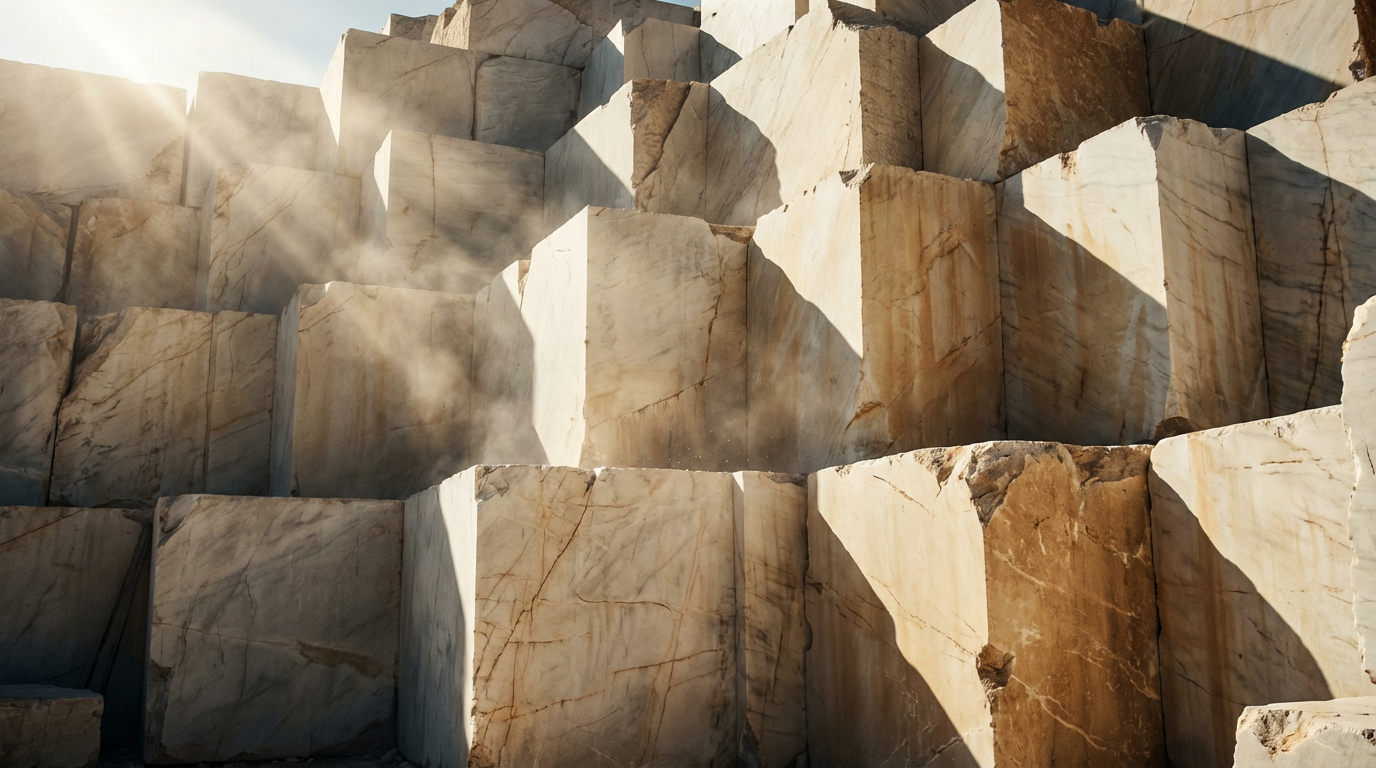
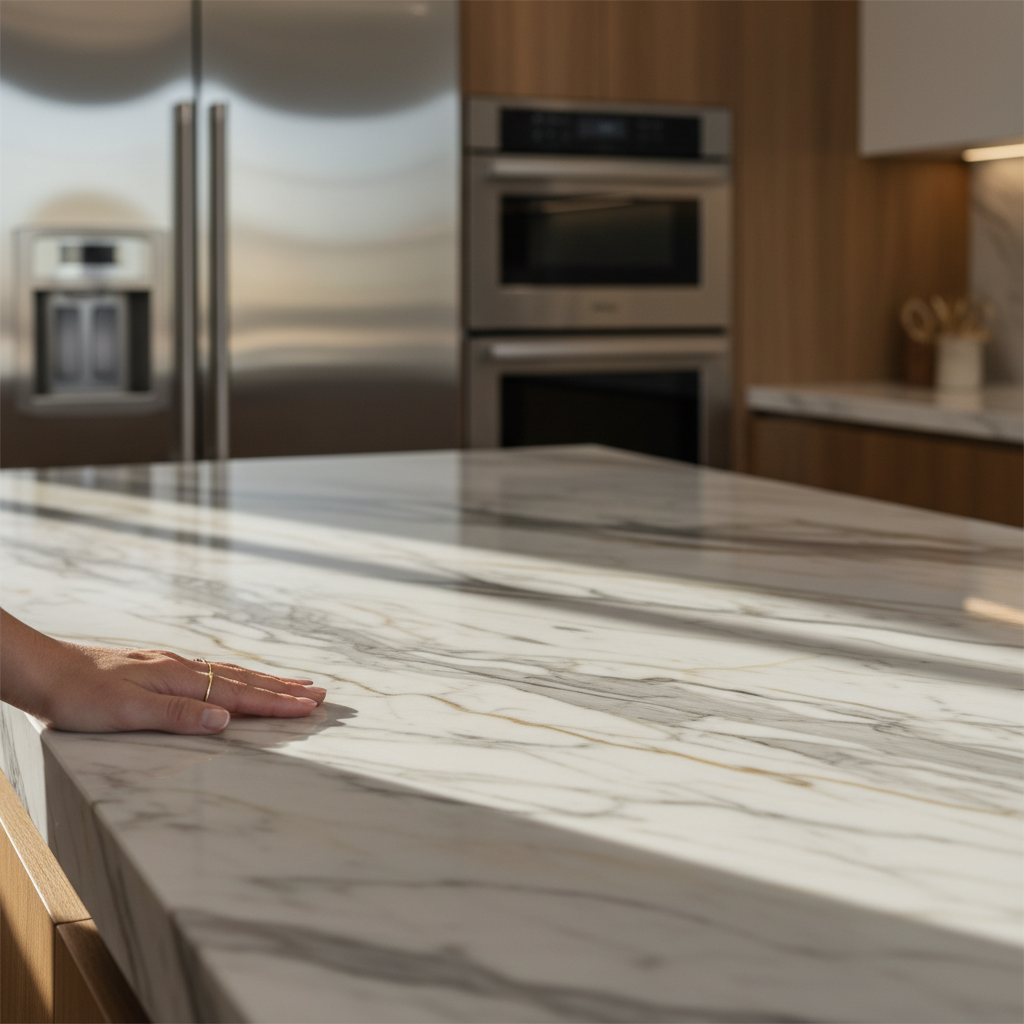
Marble is renowned for its elegant and luxurious appearance, often characterized by its veined patterns and a wide range of colors. It is a softer stone, which means it can be more prone to scratches and etching. Despite this, its timeless beauty makes it a popular choice for projects where aesthetics are a priority.
Advantages of Marble
One of the main benefits of marble is its distinctive look. Its natural veining provides a unique pattern that is difficult to replicate, adding a touch of sophistication to any space. Additionally, marble can be polished to a high sheen, enhancing its visual appeal.
Disadvantages of Marble
However, the softness of marble can be a drawback. It is more susceptible to staining and requires regular maintenance to keep it looking its best. Sealing marble surfaces can help protect against damage, but it is something to consider if you expect heavy use.
Characteristics of Granite
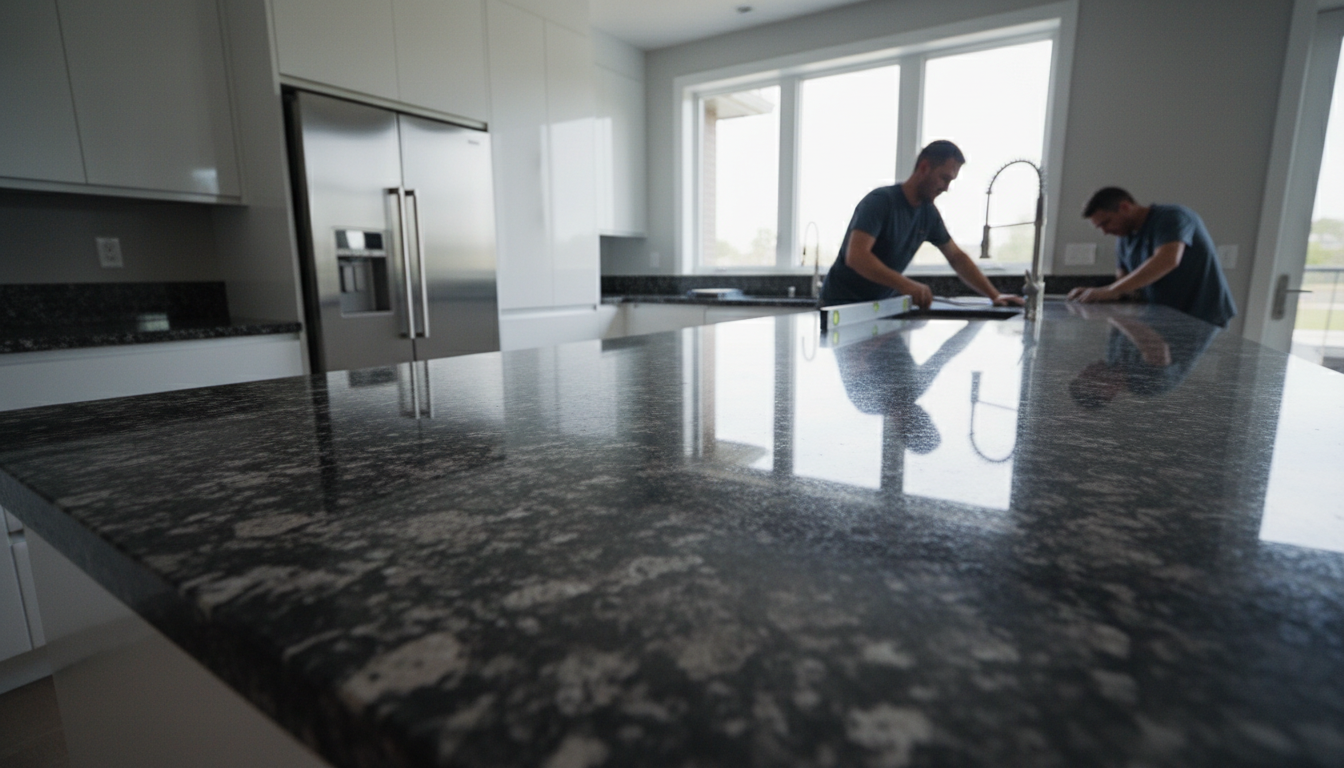
Granite is known for its durability and resistance to wear and tear. It is a harder stone compared to marble, making it an excellent choice for high-traffic areas and surfaces that will endure frequent use. Granite is available in a variety of colors and patterns, often featuring speckled designs.
Advantages of Granite
The primary advantage of granite is its toughness. It resists scratches and stains better than marble, making it suitable for kitchens and bathrooms. Its ability to withstand high temperatures also makes it a practical option for countertops.
Disadvantages of Granite
While granite is tough, it may lack the refined elegance of marble. Some people prefer the intricate veining of marble over the more uniform look of granite. Additionally, granite can be more challenging to install due to its weight.
Choosing the Right Stone for Your Project
When deciding between marble and granite, consider the specific needs of your project. If you prioritize aesthetics and are willing to commit to regular maintenance, marble's luxurious appearance might be the right fit. On the other hand, if durability and ease of care are your main concerns, granite could be the better choice.
- Budget: Marble is typically more expensive than granite, so consider your budget constraints.
- Usage: For high-traffic areas, granite's durability makes it more suitable.
- Maintenance: Marble requires more upkeep, while granite is relatively low-maintenance.
Conclusion
Both marble and granite have their own set of advantages and can significantly enhance the beauty of your space. By weighing the pros and cons of each material, you can make an informed decision that aligns with your aesthetic preferences, functional needs, and budget. Whether you select marble or granite, either choice will add natural beauty and value to your project.