Choosing the Right Stone: A Guide for Australian Homeowners


Choosing the right stone for your home can significantly impact the aesthetic and functional aspects of your living space. With various options available, each with its unique features and benefits, it’s crucial to make an informed decision that aligns with your lifestyle and design preferences.
Understanding Different Types of Stone
When it comes to natural stone, there are several popular choices, each offering distinct characteristics. Some of the most common options include granite, marble, limestone, and sandstone. Understanding the properties of each stone type will help you determine which is best suited for your needs.
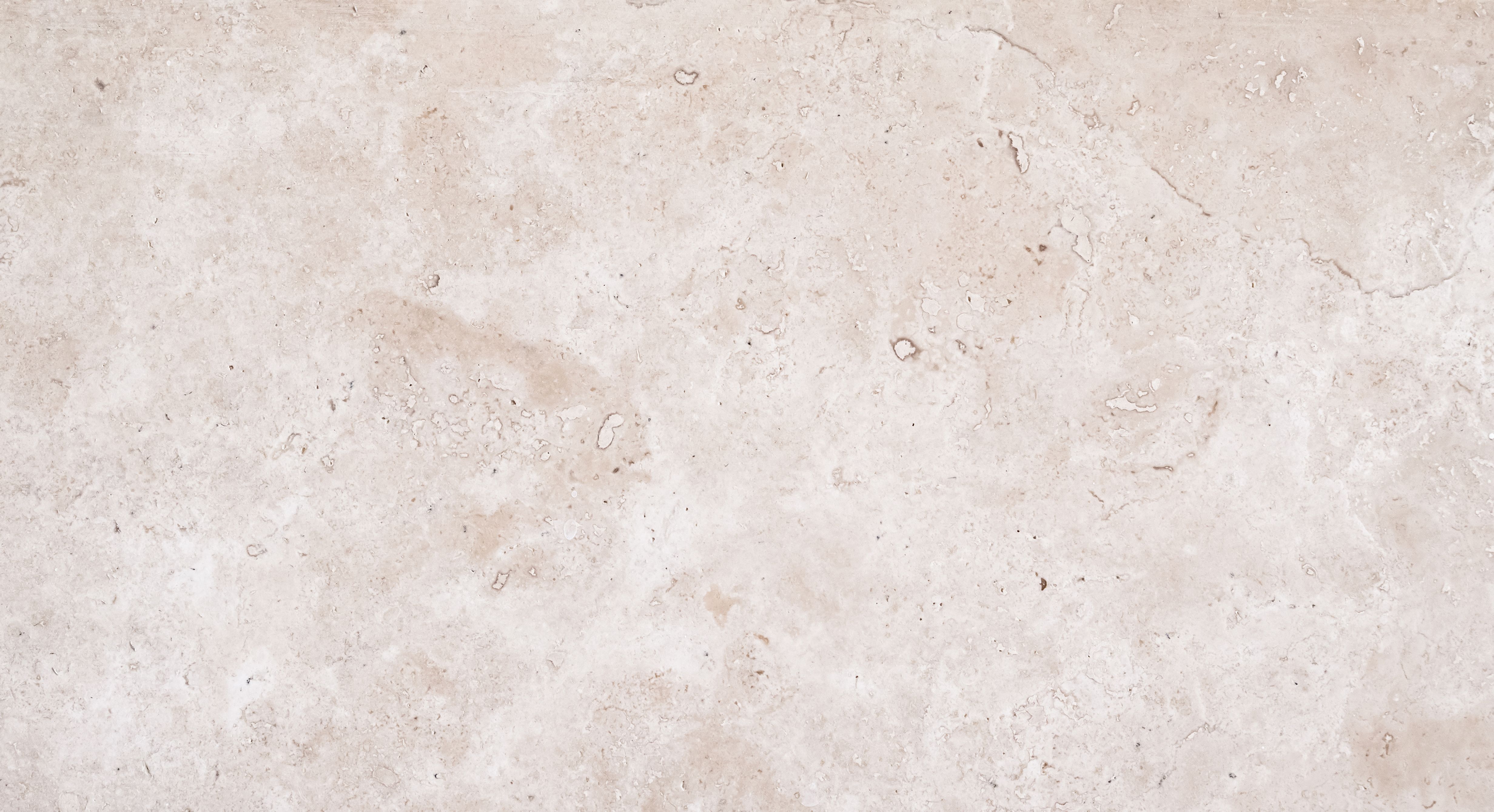
Granite
Granite is known for its strength and durability, making it an excellent choice for kitchen countertops and high-traffic areas. Its natural resistance to scratches and heat makes it both a practical and stylish option. Additionally, granite comes in a variety of colors and patterns, offering versatility in design.
Marble
Marble exudes elegance and luxury, often used in bathrooms and as decorative features. However, it is more porous than granite and may require regular sealing to prevent staining. Despite its need for maintenance, the timeless beauty of marble can add significant value to your home.

Considering Climate and Environment
Australia's diverse climate can influence your choice of stone. For example, homeowners in coastal areas may prefer stone that withstands salt and moisture, such as granite or slate. Those in hotter regions might opt for lighter stones like limestone, which can help keep homes cooler.
Outdoor Applications
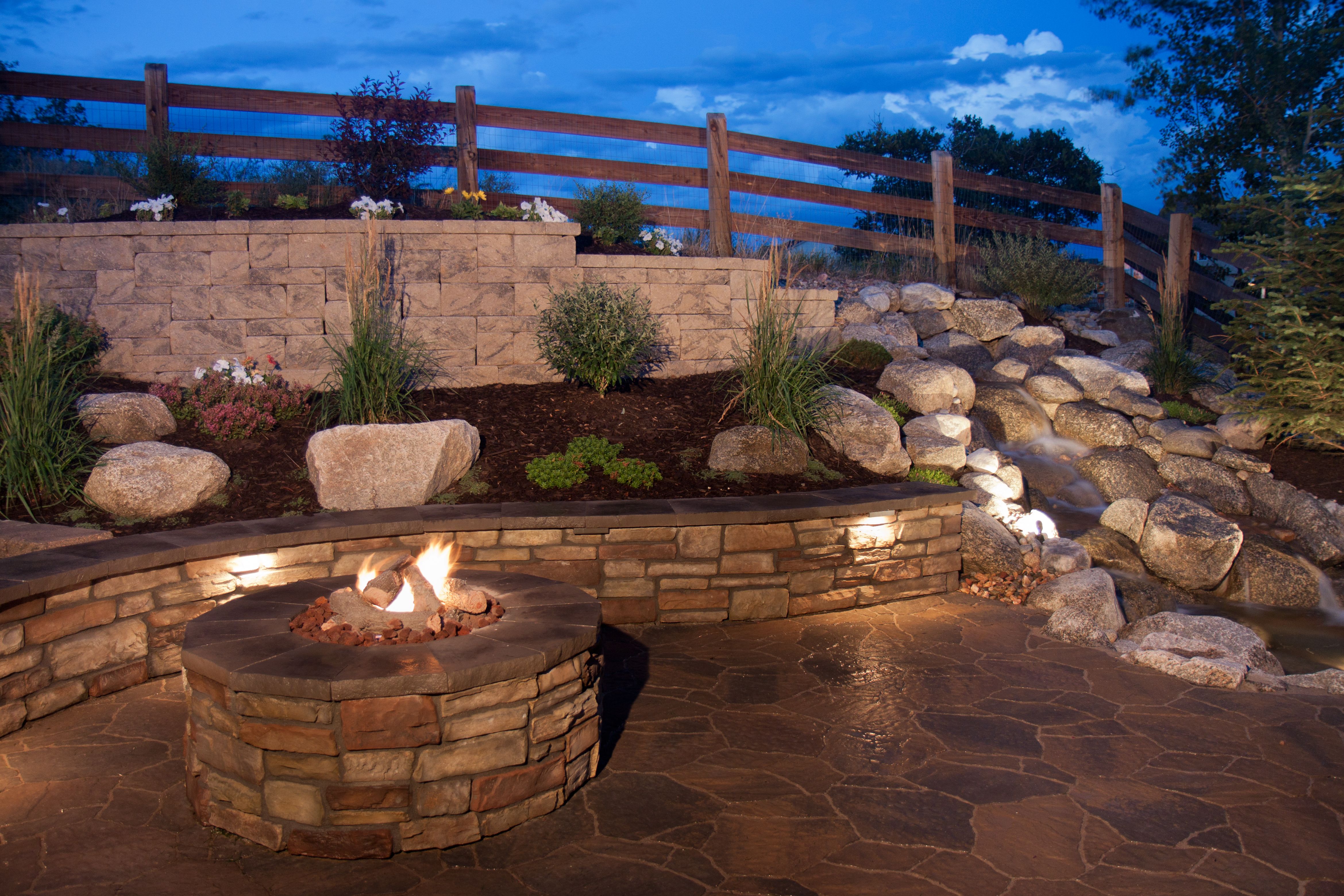
When selecting stone for outdoor use, consider factors such as slip resistance and weather durability. Sandstone and travertine are popular choices for patios and pool surrounds due to their natural texture and ability to stay cool underfoot.
Matching Stone with Home Design
Your home's architectural style should guide your stone selection. For modern homes, sleek stones like basalt may complement minimalist designs. In contrast, rustic or traditional homes might benefit from the natural warmth of flagstone or bluestone.
Color Coordination
Color plays a vital role in creating a cohesive look. Neutral tones are versatile and can easily blend with various design elements. Bold colors, on the other hand, can make a striking statement but may require careful coordination with other materials.

Budgeting and Long-term Investment
Natural stone can be a significant investment, so it’s important to consider your budget. While some stones like granite may have a higher upfront cost, their durability can offer long-term savings. Weighing initial costs against longevity and maintenance can help you make a cost-effective choice.
Maintenance and Care
Each type of stone has its maintenance requirements. Regular sealing, cleaning, and occasional repairs should be factored into your decision. Understanding these needs will ensure your stone surfaces remain beautiful and functional over time.
In conclusion, selecting the right stone for your home involves a careful consideration of various factors, including type, climate, design, and budget. By taking the time to evaluate your options, you can find a stone that not only meets your practical needs but also enhances the overall aesthetic of your home.