Case Study: Transforming a Historic ACT Building with Modern Stone Techniques


In the heart of Canberra, a historic building has recently undergone a remarkable transformation, blending its rich heritage with modern architectural innovations. This case study explores how contemporary stone techniques were employed to rejuvenate a classic structure, providing a fresh perspective on preserving historical integrity while embracing modernity.
The Challenge of Modernizing Heritage
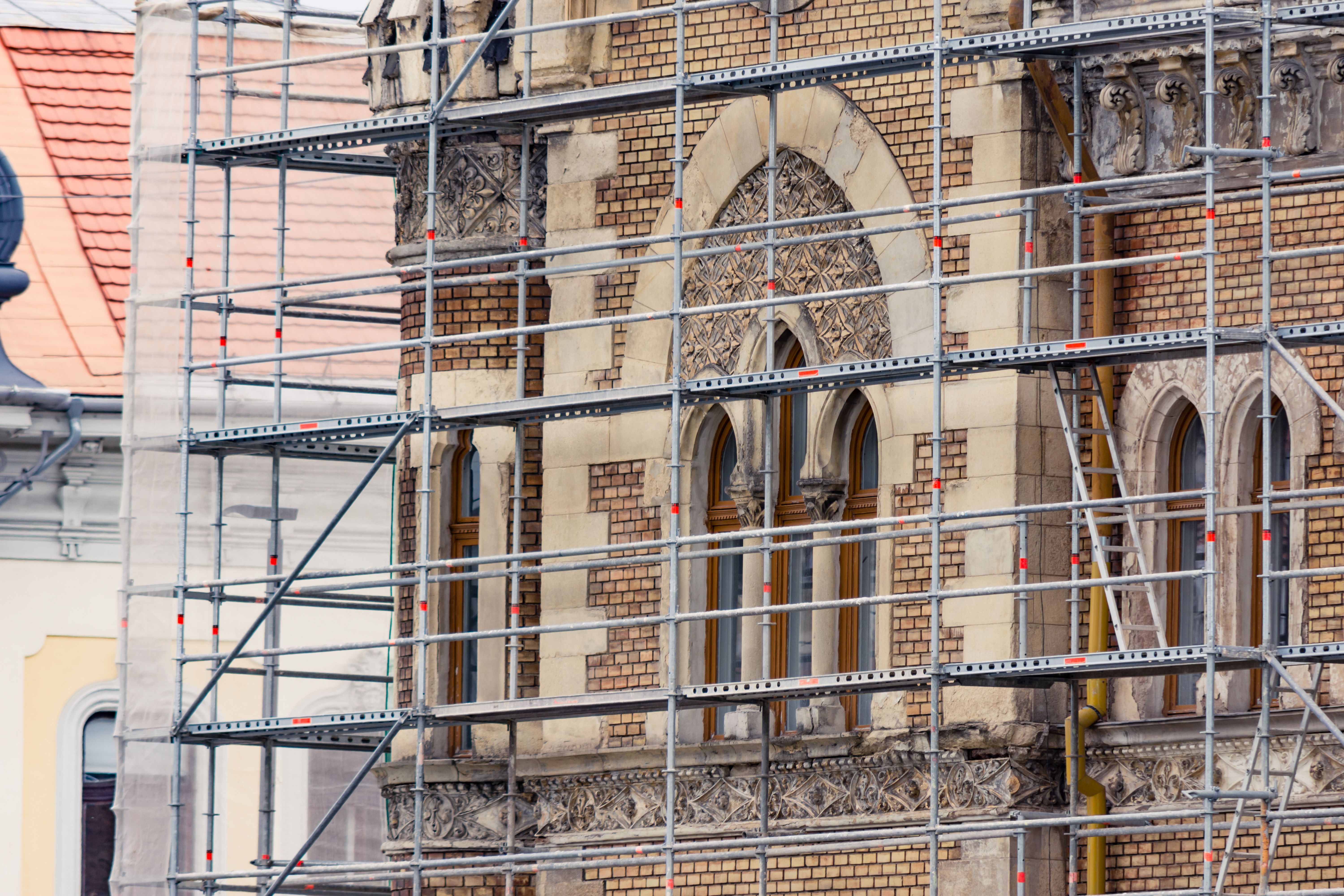
Updating a historical building poses unique challenges, particularly when it comes to maintaining its original charm. The building's sandstone facade required careful restoration to ensure it met modern standards without compromising its historical value. The project team was tasked with finding a balance between preserving the past and integrating contemporary design elements.
One of the primary concerns was the deterioration of the original stonework, which had suffered from years of exposure to the elements. The solution was to employ advanced stone techniques that would not only restore but also protect the structure for the future.
Innovative Stone Techniques
To achieve this transformation, the project utilized cutting-edge stone restoration methods. These techniques included laser cleaning, which safely removed decades of grime without damaging the underlying stone. Additionally, micro-abrasive technology was employed to delicately clean and restore intricate details.

The team also used a special stone consolidant to strengthen weakened areas, ensuring the building's facade could withstand future environmental challenges. This innovative approach allowed the team to preserve much of the original stonework, maintaining the building's historical authenticity.
Integrating Modern Design
While restoration was a priority, incorporating modern design elements was equally important. The team introduced sleek, contemporary materials such as glass and steel to complement the traditional stone. This blend of old and new created a visually stunning contrast, enhancing the building's aesthetic appeal.
Internally, the building was reimagined to provide a functional space for modern use. Open floor plans and state-of-the-art facilities were integrated, making the building suitable for a variety of purposes, from office spaces to cultural events.

Community Impact
The transformation of this historic building has had a significant impact on the local community. It has not only preserved a piece of Canberra's architectural heritage but also revitalized the area, attracting tourists and locals alike. The building now serves as a testament to the potential of blending history with innovation.
Local businesses have benefited from increased foot traffic, and the building has become a focal point for community gatherings and events. This project has set a benchmark for future restoration efforts in the region, demonstrating that modern techniques can breathe new life into historical structures.
Conclusion
This case study illustrates the power of combining traditional craftsmanship with modern technology. By employing advanced stone techniques, the project successfully transformed a historic building, ensuring its legacy for future generations. The outcome is a harmonious blend of past and present, showcasing the potential of innovative restoration practices.
As cities worldwide grapple with preserving their architectural heritage, this project serves as an inspiring example of how history and modernity can coexist, creating spaces that honor the past while embracing the future.